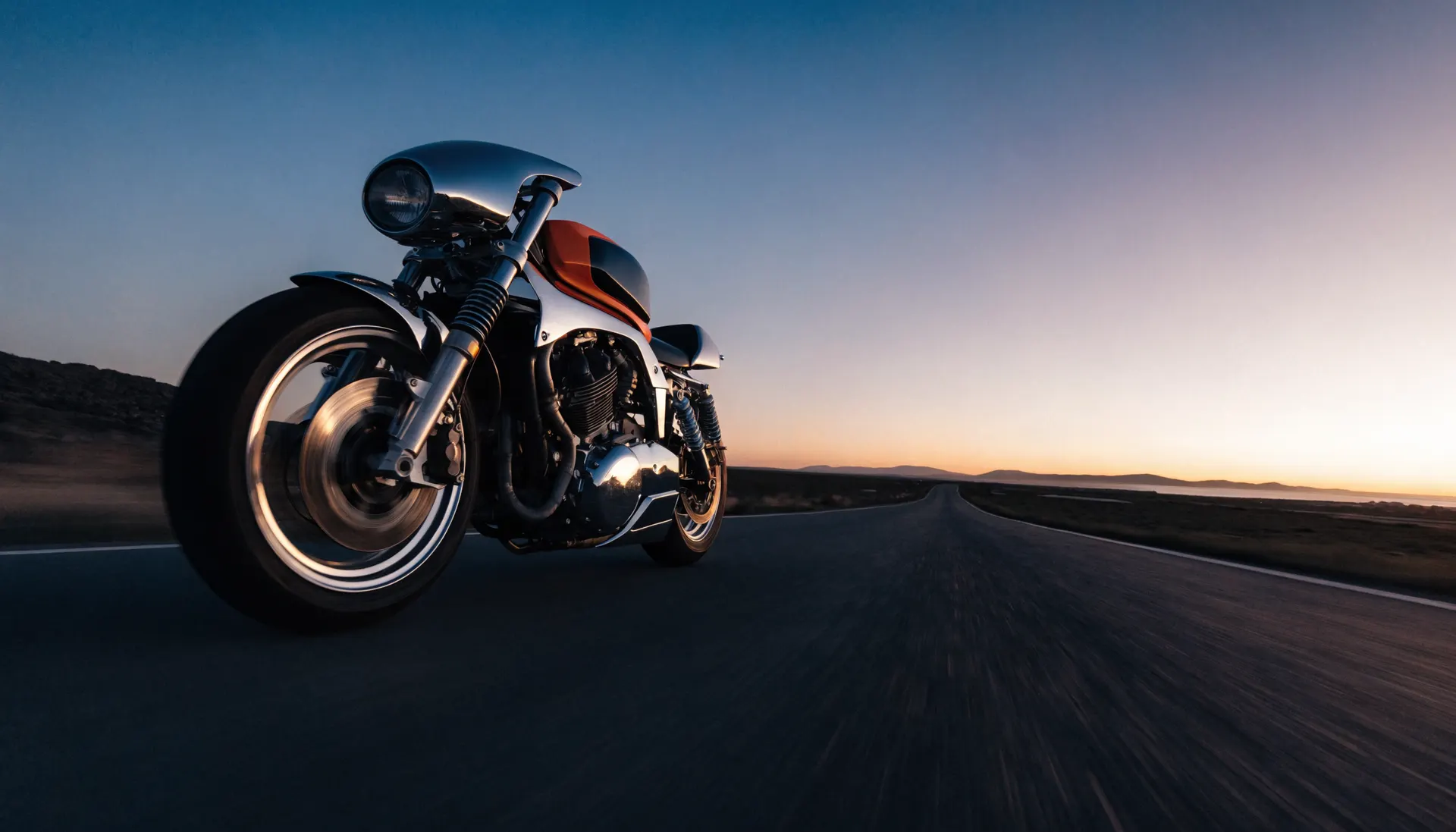
Sport bikes
Judge a sport bike on how its power is delivered, not just a peak figure: a flexible midrange is usable, a peaky top end is not for most riders.
Independent, rider-first reviews
Motorcycle Reviews is an independent, rider-first publication that explains how to evaluate a motorcycle by category, from sport and cruiser to touring, adventure, naked, standard, and dual-sport, alongside plain advice on first bikes, riding gear, maintenance, insurance, and buying new versus used.
Why criteria-first
We chose judgment over spec sheets. A motorcycle is the right one when it fits how you ride and what you can handle, not when it wins a number on a brochure.
Find your kind of riding
Hover to linger on each. The same garage holds track-focused sport bikes, easy cruisers, mile-eating tourers, go-anywhere adventure bikes, and the gear that keeps you safe.
What this is
Motorcycle Reviews is an independent, rider-first publication that explains how to evaluate a motorcycle by category, from sport and cruiser to touring, adventure, naked, standard, and dual-sport, alongside plain advice on first bikes, riding gear, maintenance, insurance, and buying new versus used.
Reviews by category
Every category is reviewed on criteria and judgment, not invented spec sheets. Pick the style that matches your roads and your plans.
Judge a sport bike on how its power is delivered, not just a peak figure: a flexible midrange is usable, a peaky top end is not for most riders.
A good cruiser delivers easygoing low-end torque, a low seat, and a relaxed, feet-forward riding position you can enjoy for hours.
A touring bike should make long days easy: effective wind protection, a comfortable seat for two, generous luggage, and a relaxed riding position.
Start by being honest about where you will ride.
A naked bike is a street motorcycle with little or no fairing and an upright riding position, often built on sporty underpinnings.
A standard, sometimes called a roadster, is a general-purpose motorcycle with a neutral, upright riding position and no strong bias toward sport, touring, or off-road use.
A dual-sport is a street-legal motorcycle built to ride both paved roads and off-road trails.
Choose and own it well
Choosing your first motorcycle, gearing up, keeping it running, insuring it, and buying new versus used.
A good first motorcycle is light, has a low enough seat that you can plant your feet, and makes manageable, forgiving power.
At minimum, every rider needs a well-fitting, safety-certified helmet, an armored jacket, full-finger gloves, and over-the-ankle boots, with protective trousers strongly recommended.
Every motorcycle needs regular attention to tires, chain, brakes, and fluids, plus a quick pre-ride check of the essentials.
Motorcycle insurance covers your liability to others and, depending on the policy, damage to your own bike, theft, and more.
Buy new if you want a warranty, the latest features, and the reassurance of a bike with no history, and you accept paying more and taking the early depreciation.
Why Motorcycle Reviews
Most bike sites lead with horsepower numbers and a buy button. We do the opposite. Every review here starts with how to evaluate a motorcycle in its category: how its power is delivered, whether the ergonomics suit your routes, how it handles its weight, and what the brakes, suspension, and electronics really give you. We deliberately do not fabricate specifications, dyno figures, prices, or model-year claims; where an exact number matters, we tell you to confirm it with the manufacturer or dealer.
We cover the whole decision, not just the spec sheet: sport, cruiser, touring, adventure, naked, standard, and dual-sport bikes, plus the practical guides that decide how good ownership feels: choosing a first bike, riding gear and helmets, maintenance basics, motorcycle insurance, and buying new versus used.
The rider's field guide
Open any section. This is the same advice we would give a friend across a workbench, with no spec sheets invented and no sales pressure. Read what is relevant to where you are, then follow the links into the deeper category guides.
Almost every street motorcycle sold falls into one of a handful of families, and learning the families is the fastest way to cut through marketing and find the bike that fits your life. The categories overlap at the edges, and manufacturers love to blur them, but the core character of each is consistent and worth knowing before you set foot in a showroom.
Built to change direction and chase a corner, with a forward-leaning, committed riding position, firm suspension, and engines that reward revs. They are thrilling on a favorite back road or a track day and tiring in stop-start traffic. Brilliant for the rider who values precision and engagement; a poor match for someone whose week is mostly commuting or two-up miles. See the full breakdown in our sport bike guide.
Relaxed, feet-forward riding, a low seat, and engines tuned to pull from low revs rather than scream at the top. Easygoing and approachable, with a strong culture and look, which is part of why they suit many newer and returning riders. The trade is limited cornering clearance and weight that asks for respect at walking pace. More in the cruiser guide.
Long-distance machines with serious wind protection, all-day seats, luggage, and features like cruise control and heated grips. They turn a draining slog into a civilized way to cross a region, especially two-up. They are heavy by design, so low-speed handling and strong brakes matter. See the touring guide.
Tall, upright, versatile bikes that mix road comfort with some off-road ability. The best are superb one-bike-garage all-rounders. The category spans road-biased tourers to dirt-focused machines, so an honest estimate of your pavement-versus-dirt mix is the most important decision you make. Detail in the adventure guide.
Essentially sport bikes with an upright, more natural riding position and usually a friendlier engine, minus the full fairing. They are among the most versatile street bikes made: fun on a back road, livable in town, and easy to recommend to a wide range of riders. The cost is wind exposure at sustained highway speed. See the naked bike guide.
The do-everything middle ground, with neutral ergonomics, moderate power, and few hard compromises. A well-chosen standard is one of the smartest first bikes and one of the easiest to live with long term. More in the standard bike guide.
Lighter, simpler, more dirt-focused than adventure bikes, often closer to a street-legal dirt bike. They shine on trails and tight commutes and ask more of you on long highway stretches. See the dual-sport guide.
None of these is better than the others in the abstract. Each is the right answer to a different question about how, where, and with whom you ride. Pin down that question first, and the category almost picks itself.
The single most common mistake new riders make is buying the bike they fantasize about instead of the bike that fits their skill, their body, and their routes. A first motorcycle is a tool for learning, and the right one makes you a better, safer, more confident rider far faster. Start from how you will actually ride, then let that point you at a category and a size.
Be honest about the riding that will fill most of your week. A daily commute through traffic, weekend back roads, long highway distance, occasional gravel: each pulls toward a different kind of bike. A mostly-commuting rider is happiest on a light, upright standard or naked; a relaxed-miles rider on a mid-size cruiser; a rider drawn to varied terrain on a manageable adventure or dual-sport. Buying for the riding you imagine rather than the riding you do is how good bikes end up sitting in garages.
Whatever the category, a sensible first bike is light enough to handle at a standstill, has a seat low enough to plant your feet, and makes power you can manage while your reflexes are still forming. A smaller engine is not a lesser choice; a light, friendly bike you can ride confidently teaches you more and scares you less than an intimidating one you ride tentatively. You can always step up once your skills are solid, and most riders do.
Whatever you pick, pair it with a proper training course and a full set of gear from day one. The bike, the training, and the gear are a package, and skipping any one of them undercuts the other two. Our dedicated beginner motorcycle guide walks through the whole first-bike decision in depth.
Gear is not an accessory you add later. It is part of the cost of riding, and a sensible set should be in your hands before the bike is. The guiding idea is ATGATT, all the gear, all the time, because crashes do not schedule themselves for the days you happened to dress for them. You do not need the most expensive kit; you need protective, certified gear that fits and that you will actually wear.
A helmet is the one piece no rider should compromise on. A full-face helmet offers the most protection, covering your chin and face as well as your skull, and shields you from wind, bugs, and weather that cause fatigue. Open-face and modular designs trade some protection for convenience, which is a personal choice to make knowingly. Whatever the style, fit is everything: a helmet should be snug without painful pressure points, and it must meet a recognized safety certification. Replace any helmet after a significant impact, even if it looks fine.
Armor only protects the joint it stays over, so gear that fits closely does its job; gear that shifts in a slide does not. Match the kit to your climate too. Ventilated gear keeps you cool enough to keep wearing it in the heat, and a waterproof layer keeps you functioning when the weather turns. The best gear is the protective gear you will actually put on for every ride, including the short ones, because the short familiar rides are where complacency does its damage. Our riding gear and helmets guide goes deeper on each piece.
A motorcycle is more exposed and less forgiving of neglect than a car, and basic maintenance is part of riding safely rather than an optional chore. You do not need to be a mechanic. You do need to run a few simple checks regularly, keep up with the service schedule, and know when something is beyond you. The reward is a bike that is safer, more reliable, and worth more when you sell it.
Before you ride, especially after the bike has sat, run through a quick check. A common memory aid covers tires, controls, lights, oil and fluids, chassis, and stands. In practice that means glancing at tire condition and pressures, squeezing the brakes and working the throttle, confirming the lights and indicators work, checking for puddles or low fluids, and making sure nothing is loose. It takes a minute and it catches the small problems before they become roadside ones.
The service schedule in your owner's manual is the source of truth for your specific bike, and following it protects both your safety and your resale value. Simple jobs like chain care, checking pressures, and topping fluids are well within reach of a careful owner with basic tools. Brakes, valve clearances, and anything you are unsure about belong with a competent mechanic. There is no shame in paying for work you cannot do confidently; there is real risk in guessing. Our maintenance basics guide covers the routine in more detail.
Two practical decisions sit around every bike purchase: how you insure it and how you buy it. Neither is glamorous, and both reward a little homework. Getting them right protects you financially and saves you from the avoidable mistakes that catch out first-time buyers.
Motorcycle insurance exists to protect you from costs you could not absorb yourself, from liability if you injure someone or damage property, to the loss of the bike itself. What you need depends on the bike's value, where you ride, and the rules where you live, so this is general information rather than advice for your situation. A few factors move premiums more than others: the type and power of the bike, your age and experience, your location and where the bike is stored, your riding record, and how much you ride. Sport bikes and high-powered machines generally cost more to insure than gentler standards and mid-size cruisers, which is one more reason a sensible first bike pays off twice.
Our motorcycle insurance guide explains the moving parts in more depth, and any quote unit we add will be clearly disclosed.
New bikes bring the latest safety electronics, a full warranty, and a known history, at a higher price and steeper early depreciation. Used bikes cost less to buy and insure and let you learn, and inevitably drop, on a machine that already carries a few marks. For most new riders a sensible used bike is the smarter start; buy new when warranty and the newest features matter most and the budget allows.
Walk through the whole decision in our guide to buying new versus used. Take a knowledgeable friend if you are unsure, and never let a seller rush you past a proper look.
Our method is deliberately different from the spec-sheet sites. Every guide here is built on criteria and judgment: how to evaluate a bike in its category, what genuinely matters, and how to match a machine to a rider. We do not reproduce or invent performance figures, dyno numbers, prices, or model-year claims, because those change between model years and are best confirmed at the source. Where an exact number would matter, we say so plainly and tell you to verify it with the manufacturer or dealer.
That choice keeps our advice accurate and useful over time rather than stale the moment a new model lands. It also keeps us honest: when we point you toward a feature like anti-lock brakes or a particular wheel size, it is because the criterion matters, not because a partner paid for the mention. We are reader-supported and editorially independent, our guidance is written first, and any affiliate or insurance links are disclosed and added only where they fit. You can read the full standard in our how we review page and our editorial and disclosure policy.
Start here
The Riders' Journal
Plain, criteria-based guidance on choosing, gearing up for, and owning a motorcycle, plus a heads-up when we add a vetted gear pick or a disclosed insurance-quote unit. No spam, and we never sell your email.
Motorcycle Reviews is reader-supported and editorially independent. Some links on this site are affiliate links, which means we may earn a commission when you buy gear or request an insurance quote through them, at no extra cost to you. Compensation never influences our advice or how we evaluate a bike; our guidance is written first, and partner links are added only where they fit. This is general information, not professional, safety, or financial advice; always confirm current specifications, prices, and coverage with the manufacturer, dealer, or insurer before you decide.